Pokémon
Welcome to our Pokémon card collecting guide. Directly translated from Japanese as “Pocket Monsters”, Pokémon is considered one of the most successful anime, video game, and collectible franchises in the world. It started as a video game in 1996, part of the Pokémon series, and rapidly grew into a trading card game (TCG), TV series, films, Pokémon figurines, merchandise, and other related media. As of October 2025, the rarest Pokémon card was still the 1998 Pikachu Illustrator Card. The most expensive Pokémon collectible was the Pokémon 2000 film frame. Surprisingly, the most valuable Funko Pop! was one never officially released: the #843 Charizard (Metallic). For Pokémon collectors in Australia and around the world, the most valuable cards are highly sought-after items, especially those featuring Pikachu, Charizard and Umbreon, as well as rare holo cards, first edition cards, limited edition Pokémon cards, graded cards (PSA / BGS), and promo cards.
Poké Highlight
MY THOUGHTS
Hitting the thirty-year milestone should feel like an unqualified celebration for the Pokémon TCG, but the reality is that the hobby has been deeply warped by influencer culture and speculative finance. What was once an accessible playground ritual has turned into an unregulated asset market where automated bots wipe shelves clean and resellers treat booster packs like lottery tickets. The most heart-breaking casualty of this boom has been the next generation; introducing an eight- or ten-year-old to the hobby now means navigating predatory buyouts, hyper-inflated prices, and adult wheelers-and-dealers at local card expos viewing kids as easy marks rather than budding collectors.
The recent launch of the commemorative anniversary set, however, has provided the first real glimpse of hope in years. By aggressively printing the life out of the product to meet real demand and pairing that massive supply with generous hit rates, The Pokémon Company effectively disrupted the flipper economy. Instead of instant sell-outs feeding astronomical secondary markups, the singles market plummeted to earth because ordinary fans could actually acquire packs at retail. To the visible desperation of opportunistic hoarders, the artificial scarcity model shattered, proving that intentional supply management can immediately reclaim the market for players and collectors.
What lies ahead depends on whether this print-to-demand approach becomes Pokémon’s permanent standard or just a temporary anniversary exception. The TCG will always have room for high-end, graded chase cards for serious collectors, but the health of the entire ecosystem relies on a strict divide: let the ultra-rare alternate arts appease the speculators, while keeping core sets and entry points cheap, plentiful, and completely unprofitable to scalp. If the company continues using its printing presses as a shield for accessibility, the game will thrive not as an investment portfolio, but as what it was always intended to be: a joyful obsession that kids and parents can tear open together.
Poké News
NEW RULES?
The official Japanese Pokémon Card Game portal announced key administrative updates for competitive play. Ahead of the upcoming Champions League 2027 Yokohama, officials issued a weather and safety advisory regarding Typhoon No. 25.
Alongside event logistics, The Pokémon Company modified the qualification thresholds for the 2027 Pokémon World Championships via the Champions League system, while simultaneously celebrating the 10th anniversary of the official Pokémon Card Channel with special in-person and digital community campaigns
More information here
A BIG WAVE
The Pokémon TCG launched its latest summer wave headlined by the Japanese release of the Mega Evolution expansion set Storm Emeralda (M6)—spotlighting high-rarity cards such as Mega Rayquaza SAR—and the international rollout of the First Partner Illustration Collection Series 3.
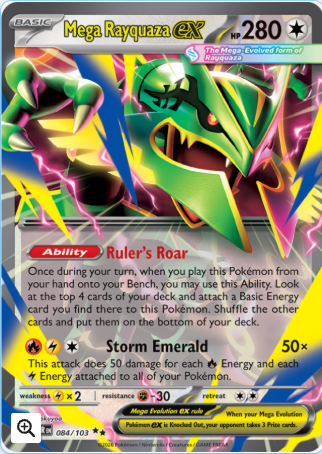
This wave continues the franchise’s 30th-anniversary celebration momentum leading into the globally synchronized release of the 30th Celebration expansion and the upcoming English main set Delta Reign (6th of November). More information here.
Pokémon of the Week
With Generation X set to add over 100 Pokémon in the next couple of years, I’ve realised that if I maintain the ratio of introducing just one a week to newcomers, finishing the list would take me way over 20 years!

So, let’s go! Introducing #0075 Graveler, in Japanese Golone.
Graveler is a runaway locomotive of jagged bedrock, a four-armed brute engineered for raw subterranean momentum. Where its pre-evolution anchors itself to craggy bluffs, this hefty monolith lives perpetually on the move, careening down switchbacks and crushing boulders to powder beneath a relentless, rolling mass.
Its four stout limbs allow it to scramble up vertical fissures with terrifying agility, greedily gorging on tons of mineral-rich moss and rare gemstones that slowly temper its craggy shell into dense, near-impenetrable crust.
Caving expeditions dread the rhythmic tremors of a feeding Graveler, as its furious, headlong descent can trigger catastrophic cave-ins or send rockslides thundering across montane valleys. When two collide over territory, the deafening shockwave can be heard for miles, scattering debris until the softer of the pair shatters apart.
On the competitive battlefield, Graveler thrives as a stalwart mid-tier tank. Armed with Sturdy to reliably weather catastrophic super-effective assaults, it lays down devastating hazards like Stealth Rock, trades massive blows with STAB Earthquake and Rock Slide, and reliably wipes opposing sweepers off the board with a tactical, self-sacrificial Explosion. Backed by an Eviolite to swell its physical bulk to fortress-like proportions, it shrugs off punishing physical contact from rival wallbreakers with stone-cold indifference. Between priority Sucker Punch mind games and devastating multi-hit Rock Blasts that shred opposing focus sashes, Graveler dictates tempo through sheer, immovable grit, proving that unevolved raw mass can command the competitive ring just as fiercely as fully realized titans.
HOW MUCH WAS IT AGAIN?
If 2025 taught us anything, it was to stay alert when checking the value of our cards. eBay sold items remain one of the most reliable sources when checking real-world secondary market values on Pokémon cards.
You can, however, count on other websites to help with that, like:
Poké-Gallery

Watch them all!
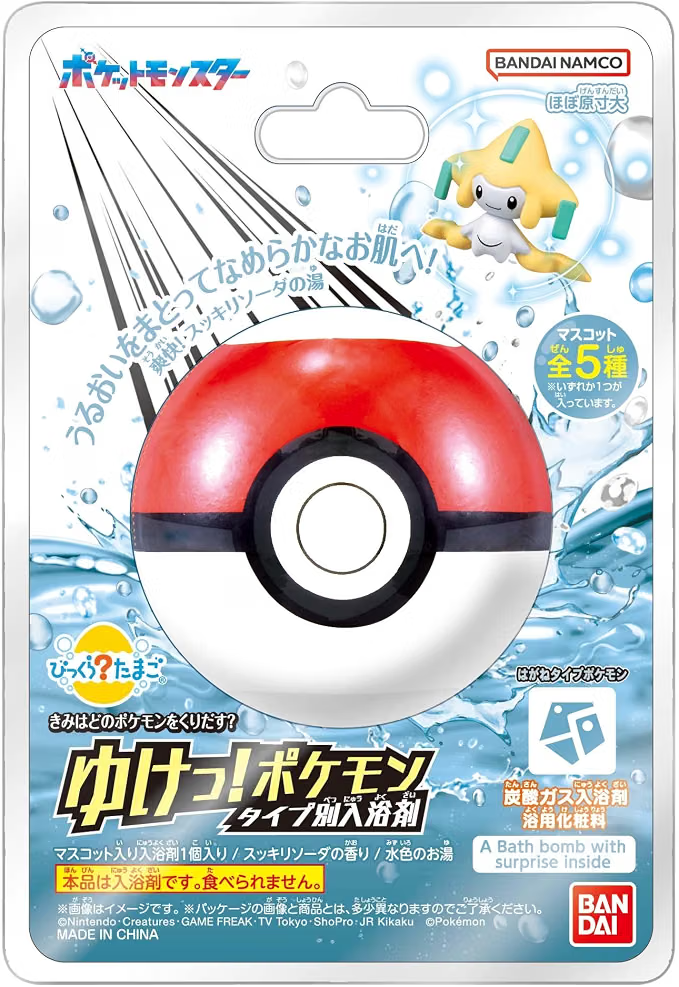
Are Pokémon collabs everywhere?
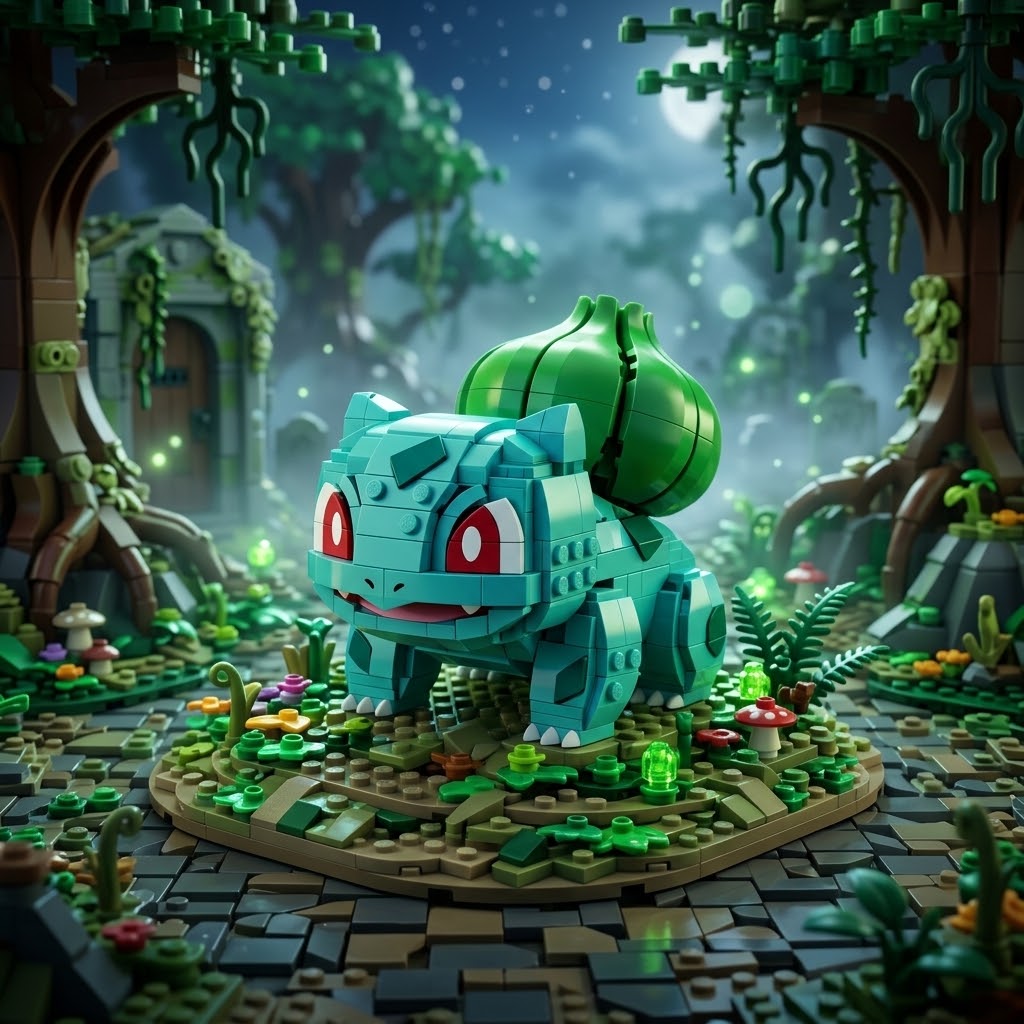
How I expected the LEGO-Pokémon to be
Pokémon TCG Checklists
The Pokémon TCG has been around for decades now, which can both overwhelm new collectors and make it somewhat hard for hobbyists to complete sets. Intrigued by the development of terms such as “Grandmaster,” “Master Pokémon,” and “Pokémon Master,” I set out to find helpful checklists. While tracking down every single appearance of a Pokémon across all variations, trainer sets and country-exclusive releases has proven to be incredibly challenging, I’m optimistic that my findings will be genuinely helpful. Just follow the links and good luck!
National Pokédex
The National Pokédex serves as the definitive Pokémon encyclopedia, containing a complete list of every known species across all generations. For players, collectors, and trainers, it’s the key resource for Pokédex completion, offering detailed information such as base stats, evolution paths, abilities, and type advantages. Whether you’re researching your next team or tracking rare Pokémon, the National Pokédex remains the ultimate guide for understanding and mastering the world of Pokémon:
TCC’s Collection
Our journey doesn’t stop here. Explore the other corners of our digital library where we dive deep into the specific worlds of Funko, AFL, and more.